
Why Medically Tailored Meals Represent the Next Growth Opportunity for Meal Delivery Companies
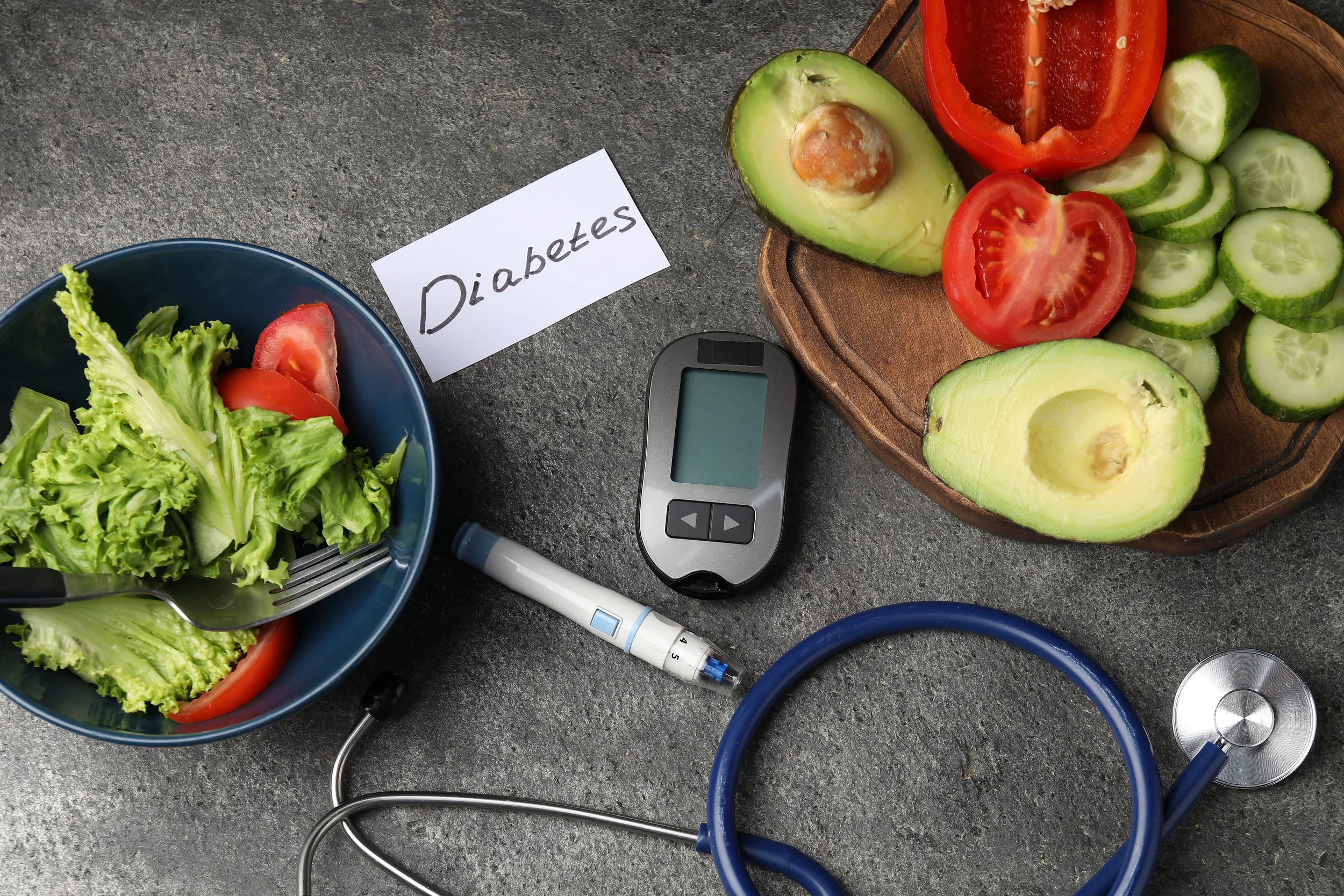
The meal delivery industry has evolved dramatically over the past decade. What began as a market driven by convenience has expanded into one shaped by health, personalization, and lifestyle. Today's consumers expect more than fresh ingredients and balanced nutrition—they increasingly want food that supports their individual health goals.
For meal companies, that shift presents a significant opportunity.
As rates of diabetes, obesity, and other metabolic conditions continue to climb, demand is growing for meal programs that go beyond general wellness. Consumers are actively seeking solutions designed to help manage chronic conditions, and healthcare providers, employers, and health plans are paying closer attention to food as a meaningful part of treatment.
This is where medically tailored meals have the potential to redefine the future of the industry.
Healthy Isn't the Same as Medically Tailored
Many meal companies already market themselves as "healthy." They highlight fresh ingredients, balanced portions, or clean labels. While those attributes certainly matter, medically tailored meals serve a fundamentally different purpose.
Rather than appealing to a broad audience, medically tailored meals are specifically designed to support individuals managing clinical conditions such as diabetes, cardiovascular disease, kidney disease, or obesity. Every ingredient, nutrient profile, and portion size is developed with measurable health outcomes in mind.
That distinction creates an entirely different value proposition.
Instead of competing solely on taste, convenience, or price, companies offering medically tailored meals can position themselves as an integral part of their customers' long-term health journey.
Meals Alone Are Not Enough
Creating a medically tailored meal program is an important first step—but food alone rarely changes long-term behavior.
Anyone working in healthcare understands that knowledge doesn't always translate into action. People often know what they should eat. The challenge is maintaining those habits over weeks, months, and years.
That's why successful programs extend beyond the meals themselves.
Education helps people understand why certain nutritional choices matter. Coaching provides accountability during inevitable setbacks. Ongoing tracking allows both individuals and care teams to measure progress and make informed adjustments.
When these elements work together, customers become more engaged, more confident, and more likely to stay committed to the program.
Retention Is the Real Opportunity
For meal companies, the conversation shouldn't be limited to attracting new customers. The greater opportunity lies in keeping them.
Traditional meal subscriptions can become transactional. Customers sign up, try a few meals, and often cancel within a relatively short period of time. Acquiring replacements becomes an ongoing—and expensive—cycle.
An integrated care model changes that dynamic.
When customers receive medically tailored meals supported by professional education and measurable nutrition tracking, they begin to experience more than meal delivery—they experience an ongoing support system. The relationship becomes centered on progress rather than simply convenience.
That deeper engagement naturally leads to stronger customer retention, greater lifetime value, and a more differentiated offering in an increasingly competitive marketplace.
A More Complete Model for Diabetes Care
At Culinary Health Consultants, we've built our approach around a simple belief: the most effective diabetes meal programs combine nutrition, education, and accountability into one seamless experience.
We help meal companies develop medically tailored meal programs that are supported by certified diabetes education through My Diabetes Tutor and precision nutrition tracking powered by Cronometer. Together, these components create an integrated care experience that helps customers build healthier habits while giving meal companies a meaningful competitive advantage.
Rather than asking businesses to assemble multiple vendors and disconnected services, we help bring these elements together into one cohesive program designed to improve both health outcomes and business performance.
Looking Ahead
The conversation around food as medicine is only beginning.
Healthcare systems are investing more heavily in nutrition interventions. Employers are looking for innovative ways to improve employee health. Consumers are becoming more proactive about managing chronic conditions through lifestyle changes rather than relying solely on medication.
Meal companies that recognize this shift today will be well positioned for tomorrow's market.
The opportunity extends far beyond creating another menu category. It's about becoming part of a larger healthcare ecosystem that delivers measurable value to customers while building stronger, longer-lasting relationships.
The companies that succeed over the next decade won't simply deliver meals.
They'll deliver better outcomes.